What Does the DRL Warning Light Mean?
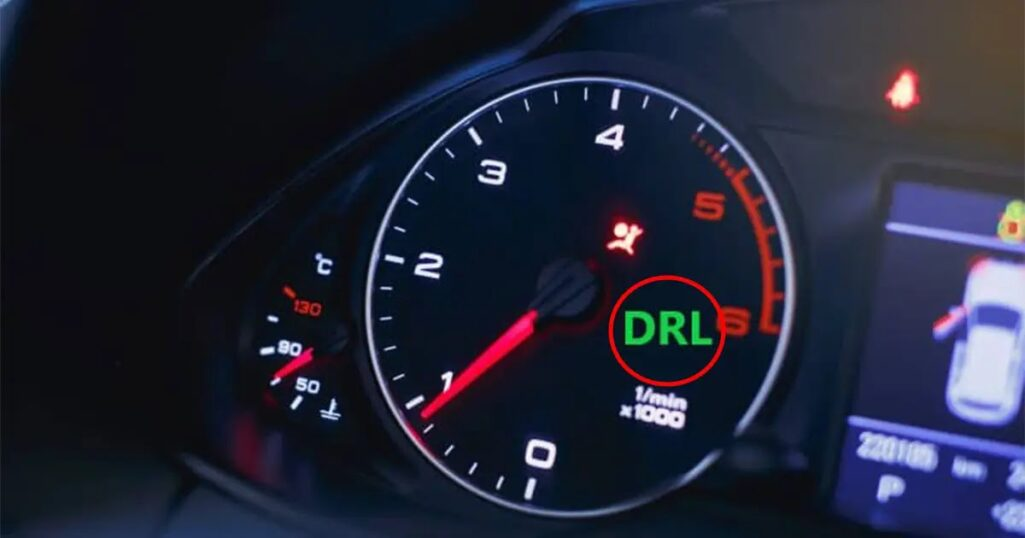
Modern vehicles use dashboard warning lights to alert drivers when a system needs attention. One indicator you may see is the DRL warning light. DRL stands for Daytime Running Lights, a lighting system designed to make a vehicle more visible to other road users during daylight conditions.
Seeing the DRL warning light does not always mean there is a major mechanical problem. However, it can indicate that part of the vehicle’s lighting system is not operating as expected. Understanding what the light means and knowing what to check can help you decide whether the vehicle needs further inspection.
If you are considering a used vehicle and want help identifying potential issues before buying, Your Virtual Mechanic can provide professional guidance during the evaluation process.
What Are Daytime Running Lights?
Daytime Running Lights are lights that automatically operate when certain driving conditions are met. Unlike headlights intended primarily to illuminate the road in darkness, DRLs are designed mainly to improve the visibility of the vehicle to other drivers, cyclists, and pedestrians.
The exact design of a DRL system varies between manufacturers and models. Some vehicles use dedicated LED lights, while others may use a reduced-intensity version of the headlights.
Depending on the vehicle, the DRLs may activate when the engine starts, when the transmission is placed in gear, or when the parking brake is released. Because the operating conditions vary, it is important to check the vehicle owner’s manual for model-specific information.
What Does the DRL Warning Light Mean?
When the DRL warning light remains illuminated after the vehicle has started, it generally indicates that the vehicle’s computer has detected a problem with the daytime running light system.
The warning does not identify one specific failed component. Several parts of the lighting circuit can potentially cause the indicator to appear.
Common possibilities include:
- A burned-out DRL bulb or LED
- A damaged fuse
- A faulty relay or control module
- Damaged wiring or electrical connections
- A problem with a lighting switch
- A sensor or control-system fault
Some vehicles may also display a DRL indicator simply to show that the daytime running lights are active. For this reason, the meaning of the symbol can vary by vehicle.
Common Causes of a DRL Warning Light
Burned-Out Bulb or Failed LED
One of the simplest causes is a failed light source. Traditional DRL systems may use replaceable bulbs, while newer vehicles commonly use LED assemblies.
If one side of the DRL system is not functioning, the vehicle may recognize the problem and illuminate the warning indicator.
Fuse or Relay Problems
The DRL circuit may rely on fuses, relays, or electronic control modules. A blown fuse can interrupt electrical power to the lights.
Replacing a fuse without determining why it failed may not solve the underlying issue. If the replacement fuse fails again, the circuit should be inspected for an electrical fault.
Wiring or Connection Issues
Loose connectors, corrosion, damaged wires, or poor electrical connections can prevent a DRL from receiving the correct power.
These problems may be more difficult to identify through a simple visual check and can require electrical testing.
Sensor or Control-System Problems
Some vehicles use sensors and electronic modules to determine when lighting systems should operate. A malfunctioning component may cause the DRL system to behave incorrectly even when the bulbs themselves are working.
This is one reason why the same dashboard warning can have different causes across different makes and models.
How Can You Check a DRL Problem?
If the DRL warning light appears, start with simple observations. With the vehicle safely parked, check whether the daytime running lights are operating and whether both sides appear to function normally.
You can also check the owner’s manual to understand how the DRL system operates on your particular vehicle.
If you are evaluating a used vehicle, do not limit your inspection to the dashboard light. A broader car inspection can help identify other issues that may not be immediately visible during a basic walk-around.
A professional may also use diagnostic equipment to look for stored fault codes and test electrical components when necessary.
Is It Safe to Drive With the DRL Warning Light On?
Whether it is safe to continue driving depends on what has caused the warning and which lights are affected.
If only the daytime running lights have stopped working while the vehicle’s headlights, brake lights, turn signals, and other required lighting systems operate normally, the vehicle may remain drivable. However, the issue should not simply be ignored.
DRLs improve vehicle visibility during daylight hours, and a malfunction could mean that the vehicle is less visible to other road users.
If other exterior lights are also not working, or if additional dashboard warnings appear, it is more important to have the vehicle checked before continuing to drive.
Why a Vehicle Inspection Matters
A dashboard warning light is only one piece of information about a vehicle’s condition. When purchasing a used car or truck, electrical problems can exist alongside mechanical, structural, or maintenance-related issues.
A vehicle inspection can help you evaluate the overall condition of the vehicle rather than focusing on a single warning indicator.
This can be particularly useful when a seller says that a warning light is “just a bulb” or that an issue is minor. Getting professional input can help you understand what should be checked before committing to the purchase.
DRL Warning Light When Buying a Used Vehicle
If you notice a DRL warning light during a test drive, ask the seller what caused it and whether the issue has already been diagnosed or repaired.
Do not assume that the explanation is accurate without supporting information. Check whether the lights operate, review available maintenance records, and consider having the vehicle evaluated before completing the purchase.
A pre-purchase auto inspection can help you identify concerns before they become your responsibility after the sale.
When Should You Get Professional Help?
A professional inspection is especially useful when:
- The DRL warning remains on after restarting the vehicle.
- One or more daytime running lights are not working.
- A replacement bulb does not resolve the problem.
- A fuse repeatedly fails.
- There are visible wiring or connector problems.
- Other dashboard warning lights appear.
- You are unsure whether the vehicle is safe to drive.
- The warning appears on a vehicle you are considering purchasing.
Some lighting problems are straightforward, but electrical faults can require specialized testing. Attempting to replace components without identifying the underlying cause can sometimes lead to additional problems.
Can an On-Site Mechanic Help?
An on-site mechanic can be useful when a vehicle needs an in-person evaluation or when you want professional assistance without relying solely on your own observations.
For buyers, combining an inspection with professional guidance can provide a clearer picture of the vehicle’s condition. This is particularly helpful when purchasing a used car where a seemingly small warning could be one part of a larger maintenance issue.
Final Thoughts
The DRL warning light generally indicates that the vehicle’s daytime running light system needs attention, although the exact meaning depends on the make and model. A failed bulb, fuse, wiring connection, relay, sensor, or control module can all potentially contribute to the warning.
If the indicator appears, check the owner’s manual and confirm whether the DRLs are operating normally. If the warning remains on or other lighting problems are present, consider having the vehicle professionally evaluated.
For used-car buyers, the bigger lesson is simple: do not judge a vehicle’s condition by one dashboard light alone. A thorough inspection can help uncover additional concerns and give you better information before making a purchase.